On-Site Fleet Washing: How It Works and Why Businesses Prefer It
A courier company with fourteen vans doesn’t have fourteen free afternoons to spare. Someone has to be behind the wheel, moving, earning. That’s the practical problem most businesses run into with traditional car washing, and it’s a big part of why fleet car detailing Melbourne businesses actually want looks nothing like a queue at a drive-through wash bay.
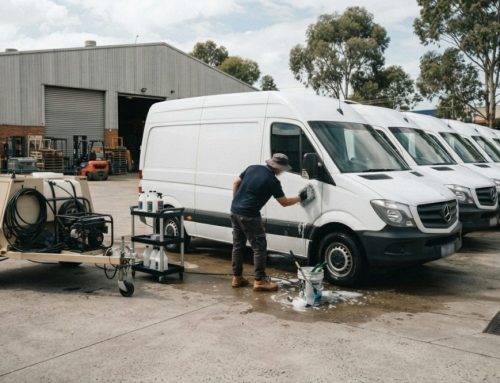
On-site fleet washing means the detailer comes to the vehicles, not the other way round. For a business running multiple vans, utes or company cars, that single shift changes almost everything about how cleaning gets scheduled and budgeted.
What On-Site Fleet Detailing Actually Involves
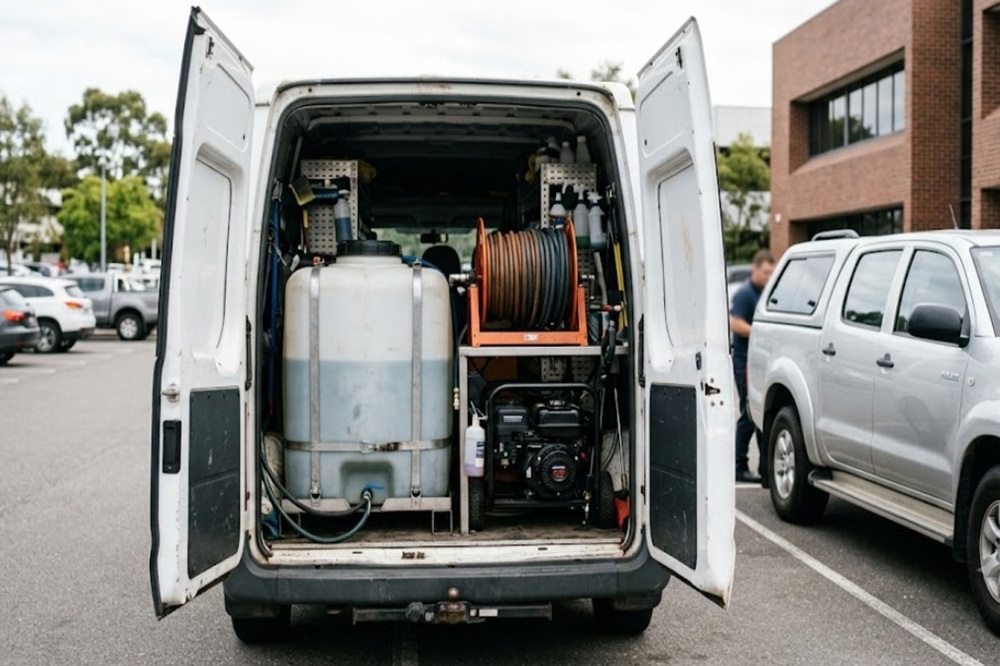
The process itself isn’t complicated, but the logistics behind it are where most providers fall short. A proper mobile fleet detailer turns up with everything needed already on the van: water tanks, pressure equipment, its own power source, detailing products. Nothing gets plugged into the client’s taps or power points, and nothing depends on the site having the right setup.
That matters more than it sounds. Some commercial sites don’t have outdoor water access at all, or the water pressure is too weak to do the job properly. A detailer who shows up needing to borrow both isn’t really offering a mobile service. They’re offering a wash that happens to occur at your address.
Fleet washing that runs on its own water and power can work almost anywhere. A depot, a warehouse yard, a shopping centre car park after hours. Location stops being the limiting factor.
Scheduling Around the Business, Not the Other Way Around
Most fleets get washed early morning, before drivers head out, or overnight if the vehicles are parked centrally between shifts. A detailer who’s used to working with businesses will ask about the operational pattern first: when vehicles are actually sitting still long enough to be worth cleaning.
Weekly is common for delivery and courier fleets. Fortnightly tends to suit fleets that spend more time on the road than parked. There isn’t a single right answer here, and honestly, the businesses that get the most value are the ones who treat the schedule as adjustable rather than fixed from day one.
The Presentation Argument Business Owners Actually Care About
A dirty van doesn’t just look bad. It tells a customer something about the business behind the logo on the door, whether that’s fair or not. People notice grime on a company vehicle the same way they notice a scuffed shopfront. It reads as neglect, even when the actual work being done is excellent.
Fleet managers dealing with fifteen or twenty vehicles across multiple sites don’t have time to individually chase up washing. Handing that over to a single provider who manages the whole fleet on a set schedule removes one more thing from a long list, and it means every vehicle on the road carries the same standard of presentation. Not some clean and some three weeks overdue.
Why Insurance and Experience Change the Equation
Commercial vehicles carry more liability than a private car. A detailer working across a fleet needs to be properly insured, not just competent with a pressure washer. Businesses that skip this check are taking on risk they don’t need to, particularly with larger vehicles or fleets that include specialised equipment.
Twenty-two years of doing this kind of work teaches a few things that don’t show up in a quick training course. Which panels on a delivery van scratch easily. How to work around loaded vehicles without shifting cargo. What businesses actually want reported back when something looks off, a chip in the paint, a warning light, a tyre wearing unevenly.
On-Site Fleet Washing for Events and Larger Operations
Businesses running vehicles for a one-off event, a launch, a trade show appearance, a corporate function, face a slightly different problem. They need the fleet presentable on a specific date, not on an ongoing schedule. A mobile detailer who can scale up for that kind of job, bringing extra hands or extra equipment for a larger vehicle count, solves a scheduling headache that a standard car wash simply can’t.
That flexibility is where on-site fleet detailing earns its place over the alternative. Drop-off washing works fine for a single car. It falls apart the moment a business needs ten vehicles done on the same morning, in the same condition, without pulling any of them off the road for longer than necessary.
The businesses that get the most out of fleet detailing tend to treat it as part of how the fleet is run, not an occasional extra. Once it’s on a schedule, nobody has to think about it. The vans just turn up clean.
Share this article
A quick overview of the topics covered in this article.