Fleet Detailing Frequency: The Schedule Most Melbourne Businesses Settle On
If you ask five fleet managers in Melbourne how often they get their vehicles detailed and you’ll get five different answers. Push them further and a pattern shows up.
Most land somewhere between four and six weeks, then adjust from there once they’ve watched their own fleet age for a season. That’s not a number pulled from a brochure. It’s what businesses land on once they stop guessing and start paying attention to how fast a work vehicle picks up grime doing real fleet detailing rounds across the eastern suburbs.
Why Four to Six Weeks Keeps Coming Up
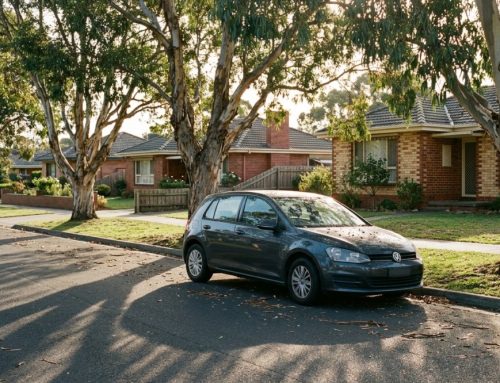
A car sitting in a driveway five days a week ages differently to one that’s on the road from 7am to 5pm. Brake dust builds fast on anything doing regular stop start driving, and it’s acidic enough to start working into clear coat before the car looks obviously dirty. Add bird droppings, tree sap, and whatever gets kicked up off a building site, and six weeks is roughly where a wash starts fighting an uphill battle instead of just topping things up.
Go longer than that and the job stops being maintenance. It becomes restoration, and restoration costs more without always getting everything back to where a shorter gap would have.
Vehicles Near Building Sites Need a Tighter Loop
Trade vehicles parked near active construction or landscaping work pick up cement dust and fine grit that ordinary road grime doesn’t produce. It sits in door seams and window tracks long after a quick wipe down looks fine on the surface. A four week schedule suits this group better than six.
Fleet Size Changes the Math More Than People Expect
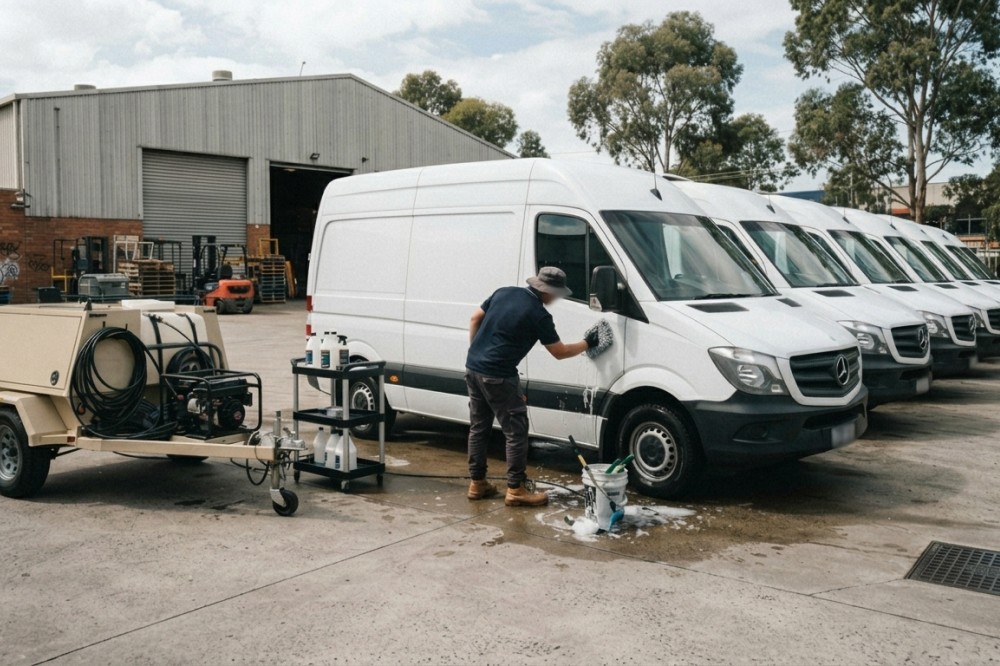
A two van operation can get away with reactive detailing, booking one in whenever it starts looking rough. Once a fleet passes six or seven vehicles, that approach falls apart. Staggering details across the roster, a couple of vehicles a week rather than the whole fleet at once, keeps everything presentable without ever pulling more than one or two off the road on the same day.
Honestly? Most businesses only work this out after someone points out that half the fleet looked rough in a client’s car park. It shouldn’t take that.
On-Site Fleet Detailing Removes the Actual Barrier
The real reason fleet detailing schedules slip isn’t cost. It’s logistics. A drop off detail means someone’s driving the van there, someone’s collecting it, and the vehicle’s off the road for however long that round trip plus the detail itself takes.
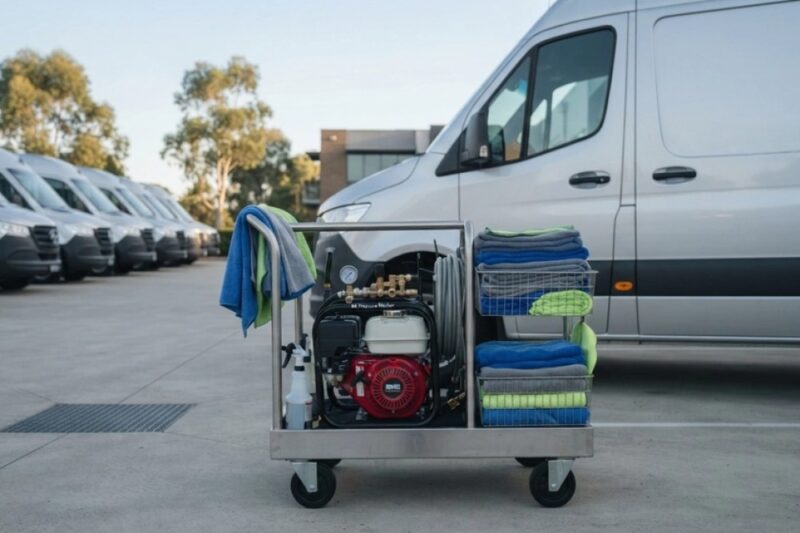
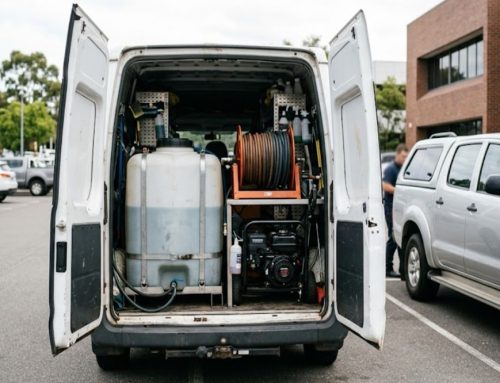
Mobile fleet detailing services skip all of that. Cars Detailed works on site at the depot or the client’s own car park, fully self contained with its own water and power, so vehicles stay exactly where they’d be sitting anyway between jobs. A fleet of ten can get worked through in a morning without a single vehicle leaving the yard. That matters even more for corporate vehicle detailing contracts, where the whole point is presenting well without disrupting a business’s actual operations.
Building a Calendar That Survives a Busy Month
A schedule only works if it holds up once things get hectic. A few habits make that more likely:
- Book the next detail before the current one’s finished, rather than waiting for someone to notice the fleet’s overdue
- Stagger vehicles instead of booking the whole fleet for one day
- Adjust the interval by vehicle type rather than running one blanket schedule for every van and ute on the books
None of that needs much admin once it’s set up. It just needs someone to make the first call.
Twenty two years of doing this across Melbourne’s eastern suburbs has made one thing obvious: fleets on a schedule spend less overall than fleets that wait until a vehicle looks bad enough to embarrass someone. Get in touch with Cars Detailed to work out a detailing frequency that actually matches how your fleet gets used.
Share this article
A quick overview of the topics covered in this article.