How Long Does Ceramic Coating Actually Last on a Melbourne Car?
The “up to 5 years” figure that gets thrown around a lot is technically true. It’s also about as useful as a weather forecast that says “it might rain sometime this year.”
Ceramic coating longevity depends almost entirely on how the car lives — not just the product applied. A coating on a daily driver that parks outside in Ringwood every day is going to behave very differently to one on a weekend car that spends most of its life under cover in a garage in Glen Waverley.
Melbourne’s UV Is Harder on Paint Than People Expect
UV is probably the single biggest factor most car owners underestimate. Melbourne summers push UV Index readings into the extreme range — 11 or above — on plenty of days between November and March. That consistent UV load degrades unprotected clear coat faster than most people realise, and it puts more stress on a ceramic coating too. A coating that might last four or five years in a milder climate can start to degrade noticeably in two to three if the car sits in direct sun daily.
Honestly? A lot of the “5 year” claims are based on controlled conditions that don’t really match how Australians use cars.
The Biggest Factor Is How the Car Gets Washed
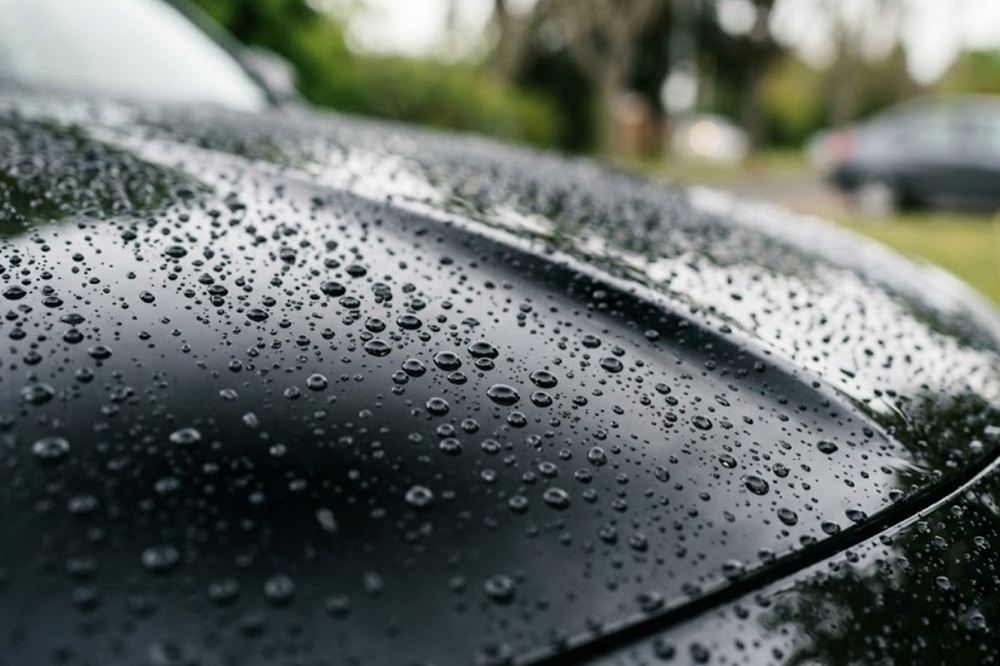
Ceramic coating is not bulletproof. The hydrophobic properties that make it worthwhile — water beading, contaminant resistance, easier cleaning — wear down when the coating gets scratched at a microscopic level. Automatic car washes do this constantly. The brushes and cloth strips on a standard drive-through machine don’t care that you’ve spent money on a coating. Hand washing with a proper two-bucket method and a quality microfibre mitt is what keeps the coating performing, and that’s not a small distinction.
A car that goes through a servo car wash every two weeks will lose its coating’s effectiveness well inside 18 months.
Parking, Bird Droppings, and Tree Sap
Bird droppings are acidic enough to etch through a ceramic coating if they sit long enough — usually anywhere from a few hours on a very hot day to a day or two in cooler weather. Tree sap is similarly corrosive. Neither of these is unique to Melbourne, but if your car parks near eucalyptus trees or under power lines where birds roost, you’re dealing with these contaminants more often than average. The coating buys you time to clean them off without permanent damage. It doesn’t make the problem disappear.
What “Professional-Grade” Actually Means
There’s a meaningful difference between consumer ceramic coatings sold in spray bottles and professional-grade products applied by someone who has properly decontaminated and polished the paint first. The application process matters as much as the product. If the surface isn’t clean at a paint-correction level before the coating goes on, you’re sealing in swirl marks and contaminants. The coating will still bead water. It won’t look good.
Professional ceramic coating in Melbourne — applied correctly, on a properly prepared surface — should realistically last two to four years under typical conditions. Some cars in low-use situations will get closer to five. Most daily drivers will start to need a top-up or reapplication somewhere around the two-to-three year mark if they want the coating to keep performing at the level it was applied.
Whether It’s Worth It
For a car that gets used regularly, parks outside most of the time, and is driven in Melbourne traffic where brake dust and road grime build up fast — yes. The coating significantly reduces how much work it takes to keep the paint clean. A wash that would otherwise take an hour takes half the time. Contaminants release more easily. The paint holds its gloss longer between details.
For a car that rarely gets driven or already lives in a garage, it’s less compelling as a necessity and more of a nice-to-have for resale.
The longevity question doesn’t have a single answer. Two to five years is a real range, and where you land within it comes down to where the car lives and how it gets cleaned — not really the product itself.
Share this article
A quick overview of the topics covered in this article.